- July 21, 2026
- Posted by: SVB
- Categories: Event News, Featured Articles, Features, Industry News, Interviews, News
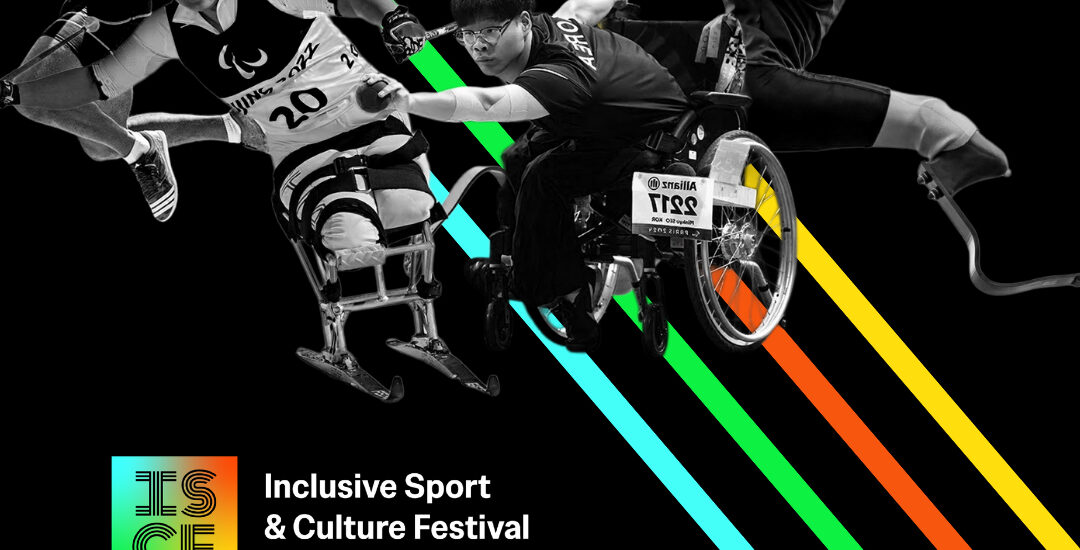
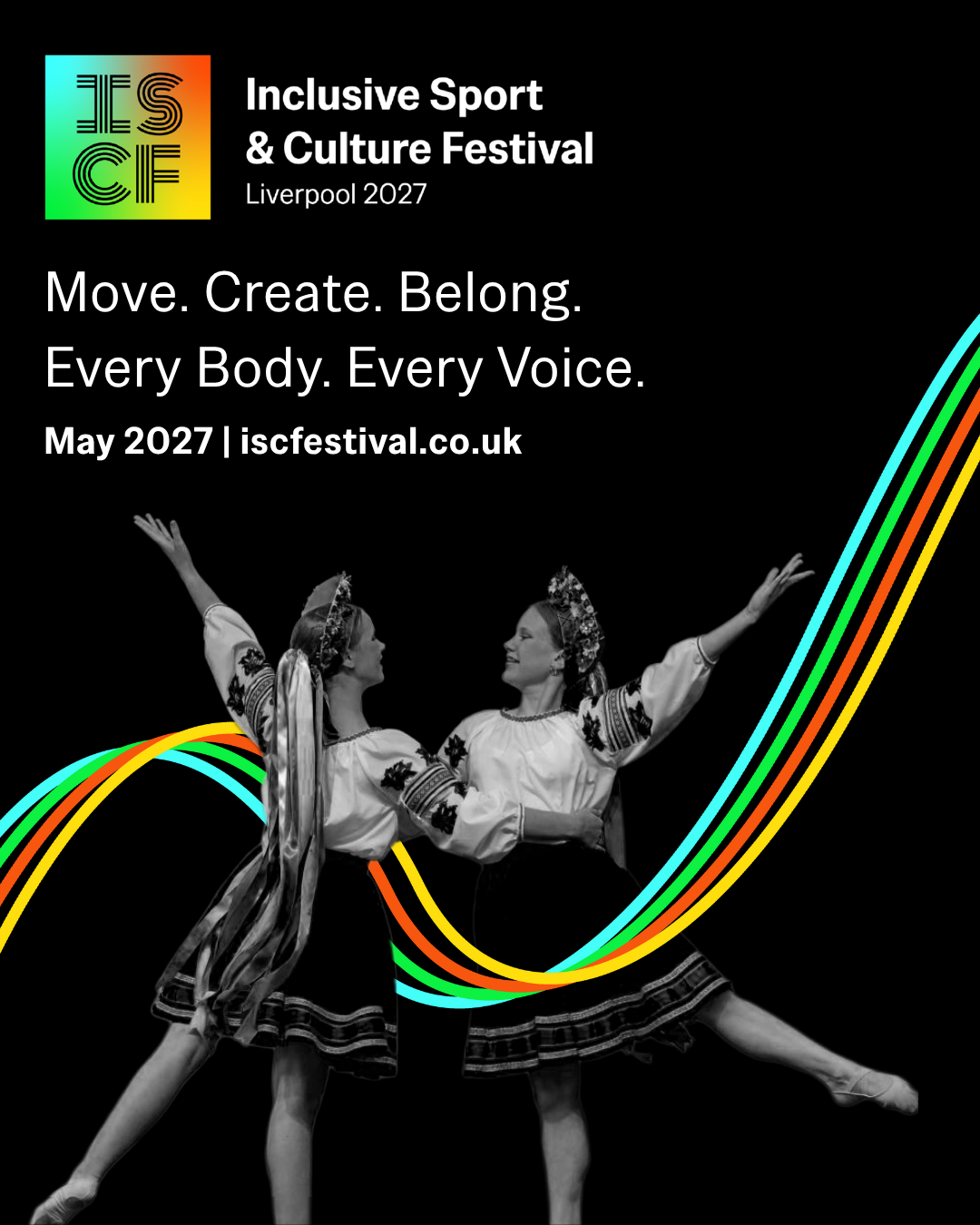
When Liverpool stages the inaugural Inclusive Sport & Culture Festival (ISCF) in May 2027, the city will become the backdrop for a bold new vision that brings together elite Paralympic sport and disabled-led arts and culture on a shared world stage.
The week-long festival (May 2-7), created by UK Sport and delivered in partnership with Arts Council England, Liverpool City Council and ParalympicsGB, will showcase four international Para sports alongside a major cultural programme commissioned by Arts Council England.
Bev Ward, CEO of UK Events Ltd (UKEL) who are delivering the festival, says the event represents the culmination of more than two years of planning and a chance to rethink how major events can work. She told Sports Venue Business:
“It all came from an aspiration around performance. We started exploring what a multi-sport Paralympic event could look like in the lead-up to LA 2028 to increase visibility for Paralympians, because they have this great window once every four years, and then they kind of fall off everyone’s radar.”
Beyond raising profiles, Ward says the event was also designed to give elite athletes a competitive advantage before the Paralympic Games.
“We really wanted to look at whether we could better prepare our Paralympians by creating an athletes’ village where competitors from multiple sports interact with one another. Olympians get those opportunities regularly through World Championships, but Paralympians don’t have that same environment between Games. It all came from an aspiration from a performance benefit to see actually how can we better prepare our Paralympians for LA.”
The 2026 SVB LIVE Conference & Exhibition – focused on elevating the live experience across sports and entertainment – is being hosted at Everton FC’s spectacular new Hill Dickinson Stadium, Oct 1st and 2nd, with an Opening Night Icebreaker at Liverpool FC’s iconic Anfield Stadium on Sept 30th.
Elite sports
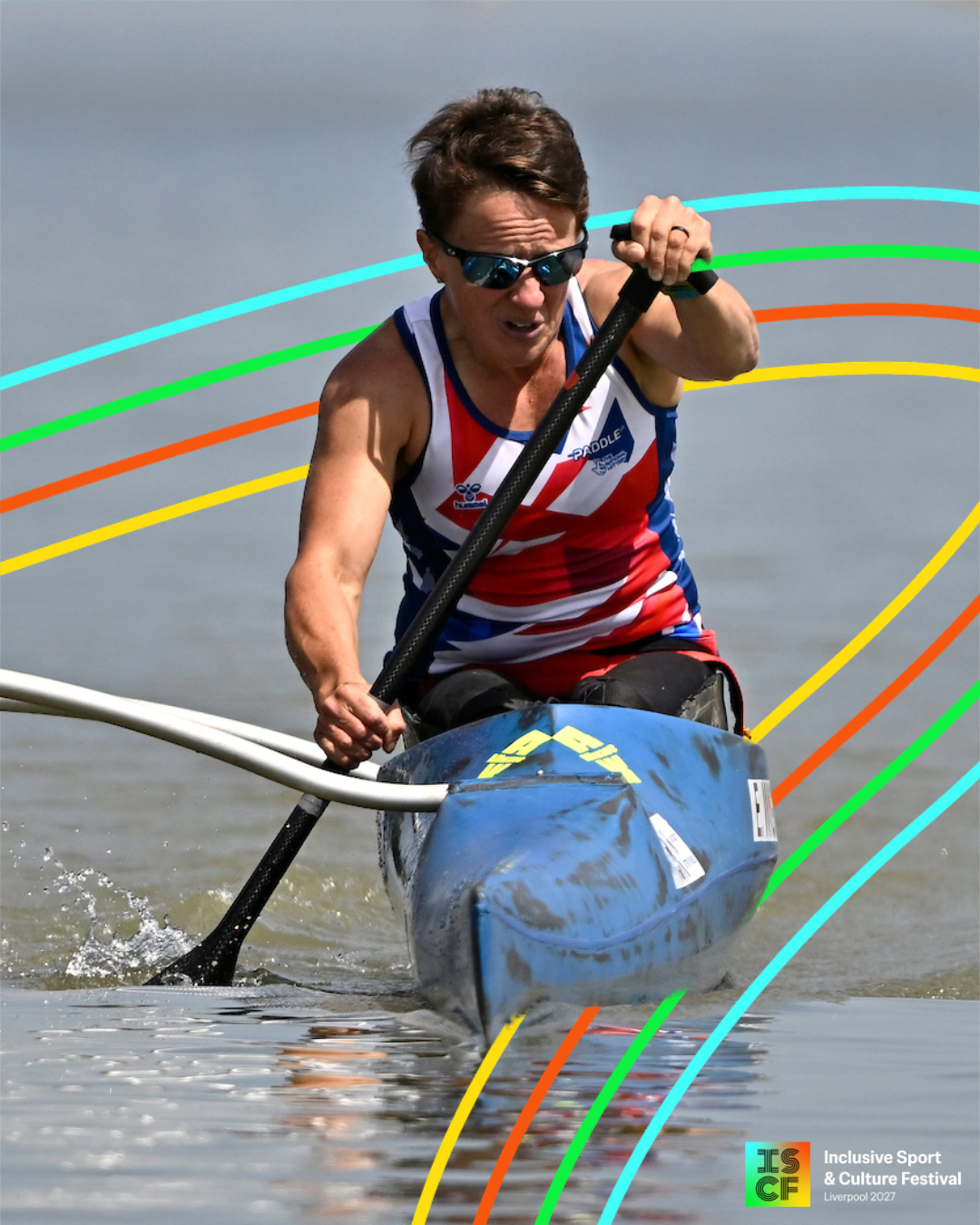
The festival will feature the World Boccia Cup, an official Paralympic qualifying event, alongside international competitions in Wheelchair Rugby, Para Athletics and Paracanoe.
The four sports at the heart of the festival will each bring their own extraordinary spectacle. Wheelchair Rugby — fast, physical and high-impact — will take centre stage at the M&S Bank Arena from Sunday 2 to Friday 7 May, with six international teams competing in what promises to be an electric atmosphere.
The highly tactical and precision-based World Boccia Cup, which counts towards Paralympic qualification, will be held at the Exhibition Centre from Monday 3 to Friday 7 May.
Paracanoe comes to Salthouse Dock on Friday 7 and Saturday 8 May, offering free-to-view racing that combines speed, control and technical skill against the backdrop of Liverpool’s iconic waterfront.
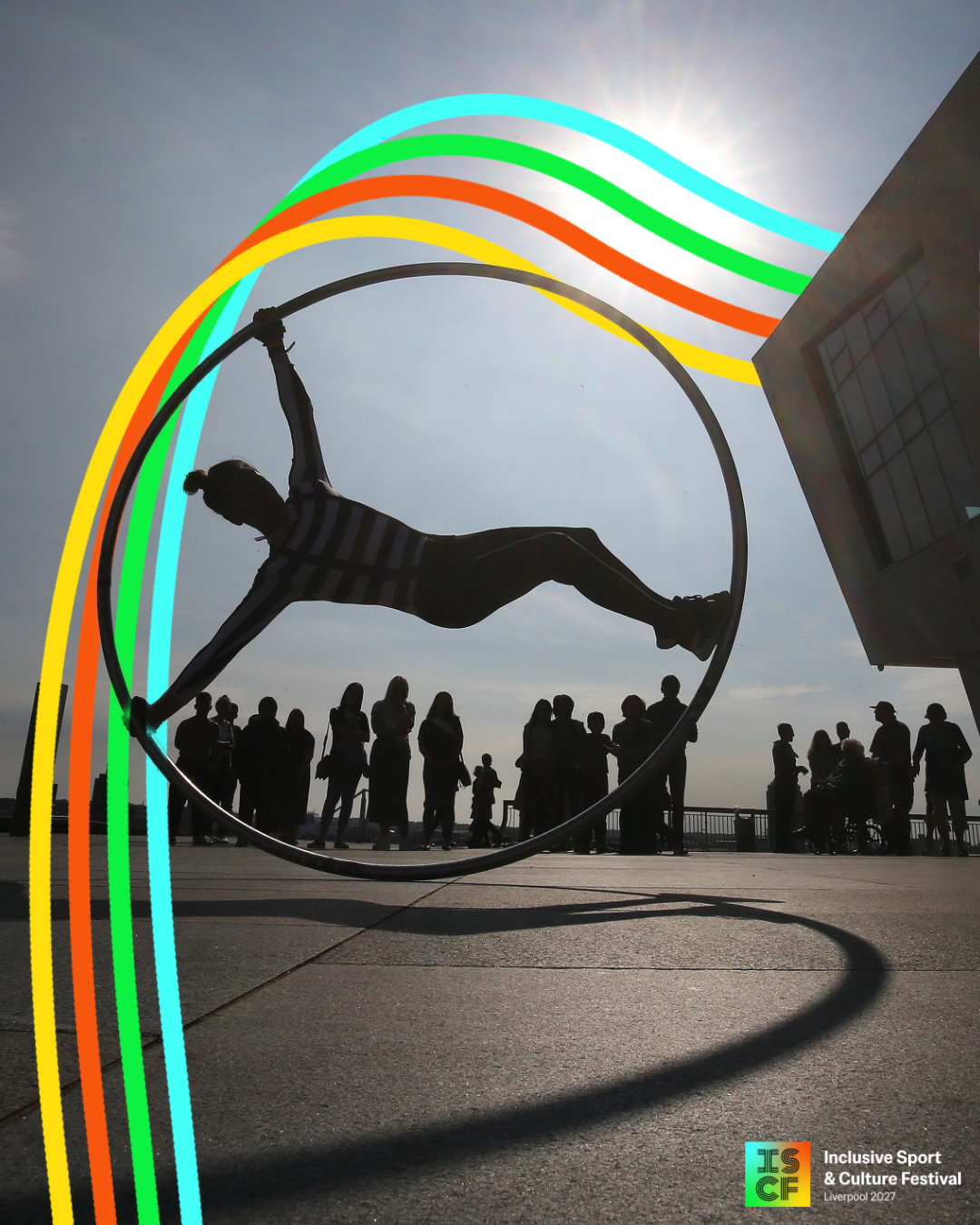
And on Saturday 8 May, Para Athletics — the largest sport in the Paralympics — will take over Liverpool Waterfront, including Pier Head, for a free open-air celebration of sprinting, jumping and throwing at the highest level of the sport.
But unlike traditional championships, organisers have deliberately taken the sport out of conventional venues and into Liverpool’s bustling waterfront.
Para Athletics, for example, will take place on the iconic Pier Head rather than inside an athletics stadium. Ward says:
“We’re taking it out of an athletics stadium and it’s going to be staged on the pier head in Liverpool which is an incredible space next to the library building and The Beatles statue. We really wanted to put those sports front and centre in a busy place where you’ve got natural footfall. Liverpool is such a walkable city and we’re using the waterfront so people can experience all of the sport alongside the incredible arts programme.”
Arts programme
That integration of sport and culture lies at the heart of the festival’s identity.
Rather than adding cultural activities as an afterthought, the Inclusive Sport & Culture Festival has been built collaboratively from day one. Ward says:
“I’ve worked on quite a few major events where you win the sporting event and then think, ‘Maybe we should have an arts programme’. This is different. UK Sport and Arts Council England came together at the outset to shape the concept.”
That partnership has resulted in Arts Council England investing £1 million into a disabled-led cultural programme that will include music, dance, public art and performances, with artists themselves helping curate the content.
The programme is currently being commissioned through an open process, but Ward believes the collaborative approach is already changing the way major events are designed. Ward says:
“We’re about to go out to Commission so we don’t know exactly what that will look like yet although it will definitely involve music, it will involve dance and art.
“We really want to use this as a blueprint for future sporting events and show how sport and the arts can work together closely from the outset.”
Liverpool emerged from competition with 12 other cities to host the inaugural festival, thanks to its experience of delivering world-class events and the unique geography of its waterfront. Ward explains:
“We wanted somewhere with a really tight footprint. The key thing is that visitors can experience multiple sports and multiple arts events all in one day without travelling across a city.
“Liverpool pitched in with various other cities, and they really just ticked the boxes in terms of those objectives of a city that would put some funding behind it, that delivers major events brilliantly and has a community that attends sporting events and is passionate about sporting and cultural events.”
Connected festival
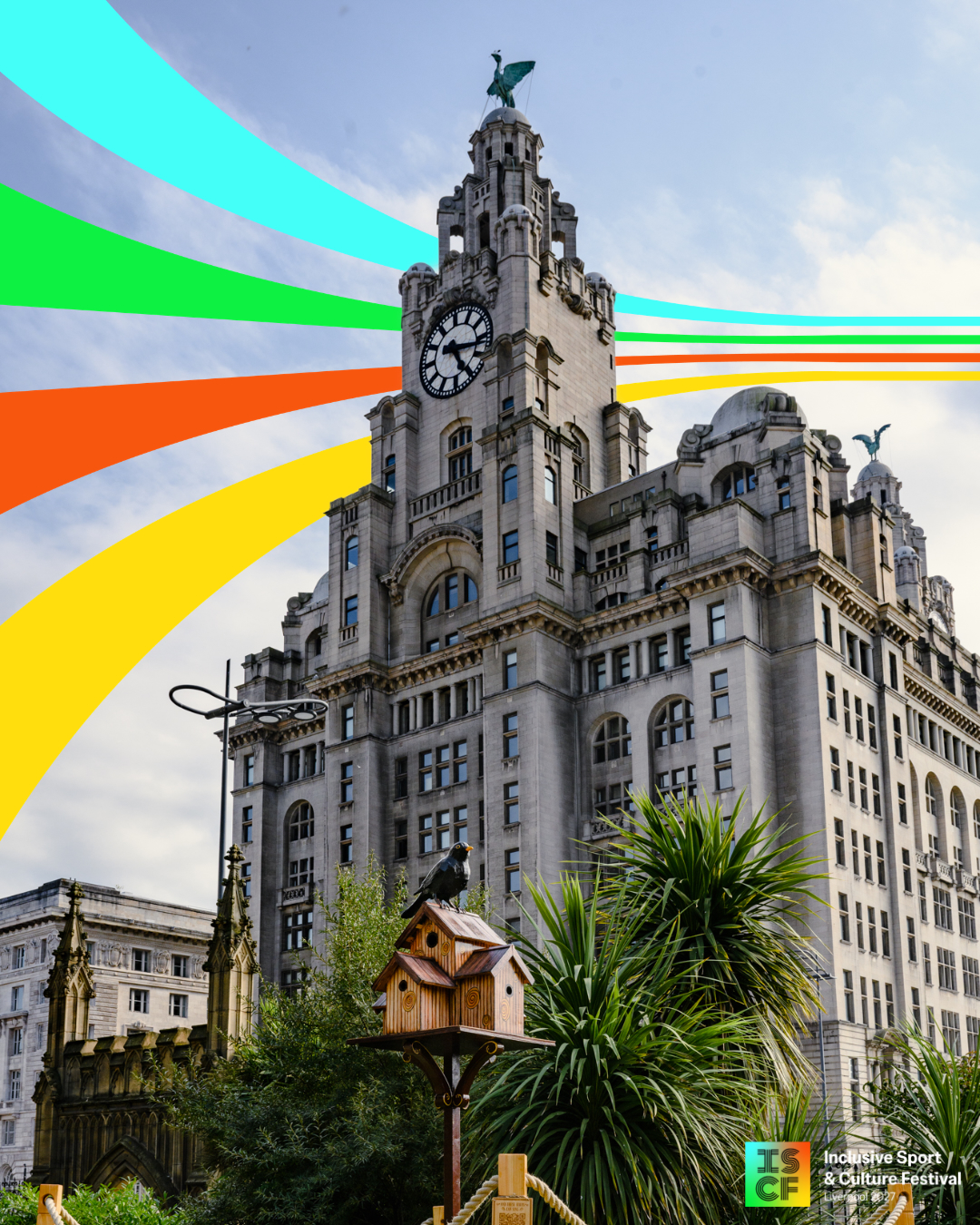
Liverpool’s combination of the M&S Bank Arena, Exhibition Centre, Albert Dock, Salthouse Dock and Pier Head creates what organisers hope will feel like one connected festival rather than separate events.
Equally important is ensuring the event itself is designed inclusively from the inside out.
Ward says inclusion isn’t something added once plans have been finalised. It’s embedded within the decision-making process. She says:
“We’ve got a brilliant steering group which includes artists, athletes and people with lived experience of disability overseeing the running of the event. Around 80% of the cultural advisory group also has lived experience of disability, so it’s really about making inclusion central to how decisions are made and how the event is shaped.”
That philosophy extends well beyond the competition venues. Organisers are working with hotels across Liverpool to improve accessibility, creating inclusive volunteering opportunities and working with Disability Confident employers to improve employment pathways for disabled people.
“We’re looking at making sure at least 20% of our volunteers have lived experience of disability. It’s about making the volunteering programme really inclusive and creating routes into employment afterwards.”
Lasting legacy
The festival’s legacy programme focuses on five key areas, including increasing participation in sport and the arts, improving accessibility, developing skills, boosting employment opportunities and strengthening community provision across Liverpool.
Ward explains that one of the festival’s biggest ambitions is changing perceptions of disability.
“People really switch on to the Paralympics when they’re visible and available on television. But that’s once every four years. How do we make athletes and artists more visible so people can enjoy watching elite performance while also seeing opportunities for themselves to get involved?”
Bringing disabled athletes and artists together on one platform, she believes, creates a powerful opportunity to celebrate excellence while broadening public understanding of disability.
“It’s really important for us to hero those people through this programme and provide those opportunities.”
The event also arrives at an important point in the Paralympic cycle. Taking place just 15 months before the LA 2028 Paralympic Games, it offers athletes valuable international competition while giving fans another opportunity to engage with Paralympic sport outside the Games themselves.
Although UK Sport has already identified the festival as a potential four-year event aligned with the Paralympic cycle, Ward believes its future could become even more ambitious. She says:
“We’d really hope we can make the case for this to happen every two years, but we need to see how the first event lands. What we know is there’s a lot of interest from the arts world, the sports world and cities that want to host future editions.”
Ultimately, Ward hopes the festival’s greatest legacy will be the lessons it leaves behind for the wider events industry.
“We’ll be working with UK Sport on knowledge transfer programmes and conferences to share everything we’ve learned. Whether that’s inclusion in decision-making, representation in designing the event or how sport and culture can work together, the idea is that we leave a footprint that other major events can build on.”
Images Courtesy of ISCF
SVB LIVE provides an unrivalled global community, with opportunities to network, collaborate and explore new possibilities year-round via the SVB LIVE Business Club.

Check out the latest sports & entertainment venue development data from across the globe in the exclusive, subscription-only, SVB Global Report here.