
- November 4, 2026
- Posted by: SVB
- Categories: Featured Articles, Features, Home News, Industry News, News
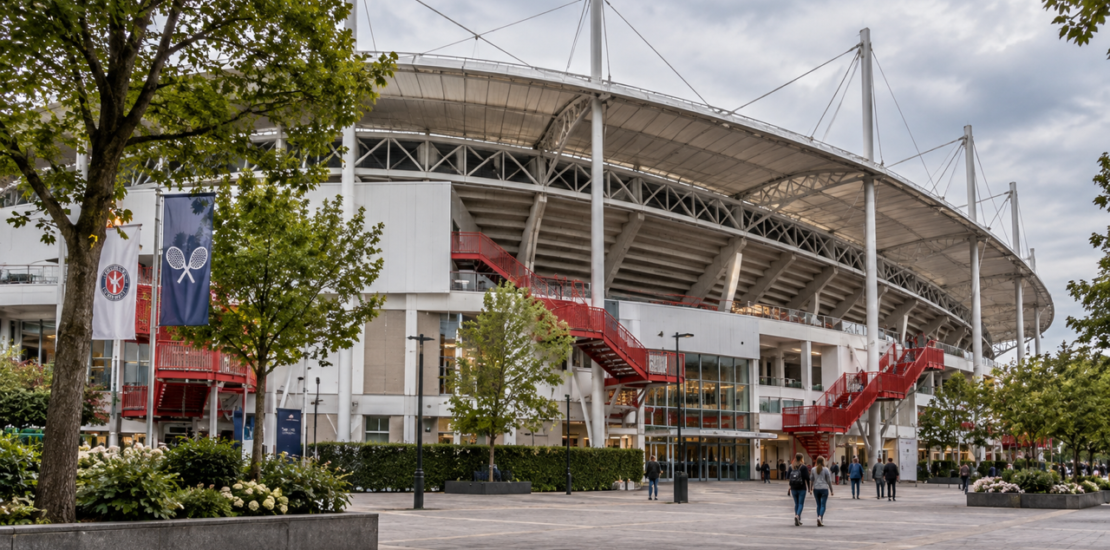
The most expensive security problems in a stadium are often created long before the first event takes place. They begin when a vehicle entrance is positioned without considering how a high-profile athlete will arrive, when a hospitality corridor becomes the only practical route to a changing room, or when an architect assumes that additional security personnel can compensate for a poorly designed movement pattern, as Michael Braun discusses.
By the time these problems become apparent, the building may already be operational.
The recent announcement that Populous will design the Kansas City Royals’ new ballpark presents an opportunity to examine this issue. The proposed approximately 34,000-seat venue in the Crown Center district is intended to connect baseball with the surrounding downtown environment, bringing supporters closer to the action while creating a destination that extends beyond the game itself.
That ambition reflects a wider change in stadium development. As highlighted during SVB LIVE 2026 at Everton’s Hill Dickinson Stadium, modern venues are increasingly destinations combining sport, entertainment, hospitality and commercial activity.
From a protective security perspective, that evolution introduces an important design question: how do we create an open, commercially successful destination while maintaining controlled movement for the individuals whose visibility makes them potential targets?
The answer begins with understanding what the venue needs to protect, which risks matter most and how security can support rather than obstruct its commercial purpose.
When a Stadium’s Physical Layout Becomes a Security Vulnerability
A particularly instructive example occurred on 30 April 1993 at Hamburg’s Rothenbaum tennis venue in Germany.
Monica Seles, then the world’s number-one-ranked female tennis player, was competing in a quarter-final match when a spectator approached her from behind during a changeover and stabbed her in the back.
The attack shocked the sporting world and interrupted the career of one of tennis’s most successful young athletes.
What makes this incident especially relevant to stadium designers is the physical relationship between the spectator area and the athlete.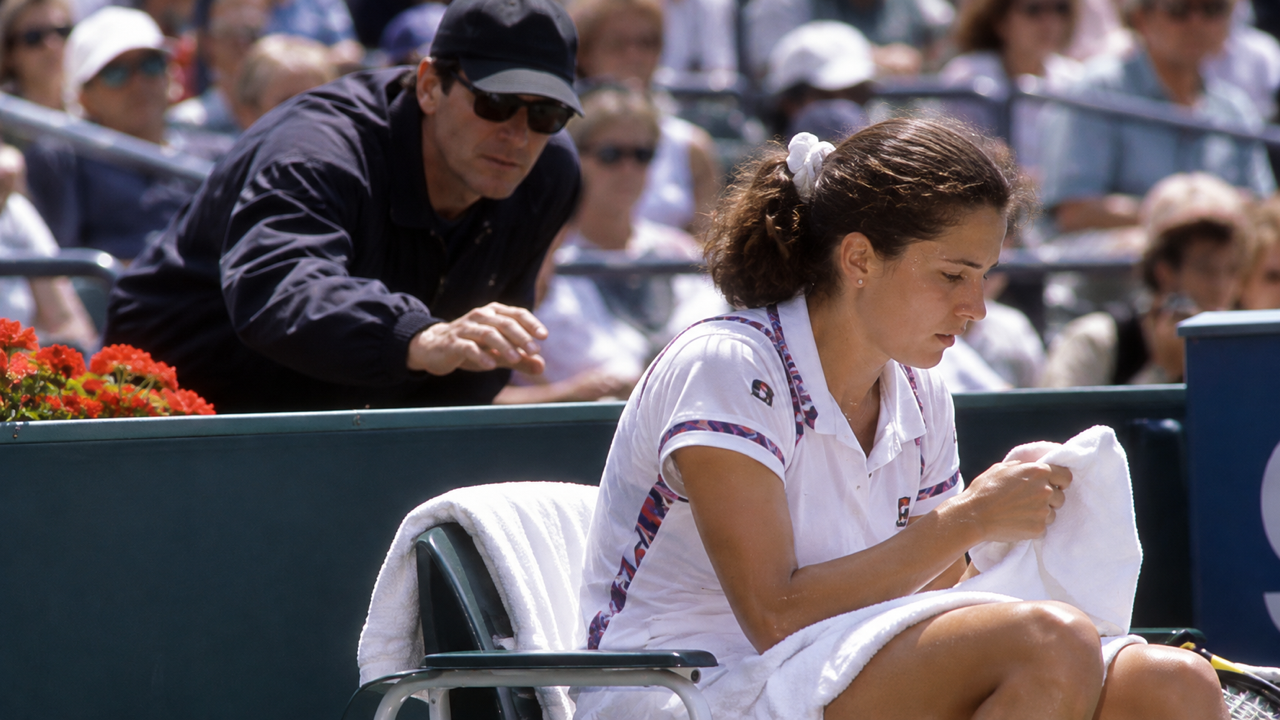
Populous was a major sponsor of the 2026 SVB LIVE Conference & Exhibition – focused on elevating the live experience – which took place at Everton FC’s Hill Dickinson Stadium last month, with Tom Jones among the stellar speaker lineup. An Opening Night Icebreaker kicked things off in style at Liverpool FC’s Anfield Stadium. Check out the Highlights Movie.
According to contemporary reporting carried by Deseret News from The New York Times News Service, the players’ seating area was close to a pedestrian walkway accessible to spectators. A waist-high barrier separated the walkway from the court.
Security personnel were present, yet the attacker was able to reach Seles before they could prevent the assault. The physical arrangement allowed an individual standing in a publicly accessible area to get dangerously close to a high-profile athlete.
In the immediate aftermath, The Washington Post reported that organisers moved the players’ benches farther from the stands and positioned security personnel between athletes and spectators during breaks.
The incident does not establish that the stadium’s original construction was negligent. Operational planning, screening and personnel deployment all influence protective outcomes.
Nevertheless, it demonstrates an essential principle: physical proximity can create vulnerabilities that security personnel may have very little time to overcome.
A different seating arrangement, greater separation or an appropriately designed protective boundary can reduce opportunities for direct physical contact. The lesson extends far beyond tennis.
Whenever architects position an athlete entrance, players’ tunnel, VIP corridor or protected waiting area, they are also influencing the opportunities available to someone intending harm.
Good security design should not depend entirely on a security officer reacting faster than an attacker can act.
Design the Movement Before Designing the Checkpoint
At MSB Protection, we believe effective security begins long before a venue opens its doors. Our approach is to integrate protective measures into the architectural design and operational planning from the outset, ensuring that security is both effective and discreet, without compromising the experience of athletes, performers, VIPs or spectators.
For a stadium, this means examining how athletes, performers, executives, visiting dignitaries and other high-profile individuals move through the property before finalising the circulation plan.
Consider the arrival of a professional athlete. The vehicle approaches the venue, enters a designated access point and proceeds towards a protected arrival area before the athlete transitions into a controlled interior environment. Every stage involves a potential exposure.
Can members of the public approach the vehicle while it waits for access? Does the arrival area provide sufficient separation from pedestrian traffic? Can the athlete enter the building without crossing a service corridor occupied by contractors, delivery personnel or hospitality staff?
These are architectural questions as much as security questions. A properly designed arrival area should support controlled vehicle access, protected passenger movement and more than one viable means of departure.
Alternative routes must also be genuinely operational. An emergency exit leading directly into a congested public area may offer little practical benefit for a protective evacuation, even where it satisfies general emergency-egress requirements.
The objective is not to build an intimidating fortress. It is to make secure movement an ordinary function of the building.
Start With What Matters Most
Enterprise Security Risk Management (ESRM) provides a useful framework for making these decisions.
At its heart, ESRM treats security as a partnership between those responsible for protecting an organisation and those who own its assets and risks.
For stadium operators, those assets extend well beyond the building itself. They include the safety of athletes, staff and spectators, the venue’s reputation, its ability to operate, commercial relationships and the experience it promises visitors.
Not everything carries the same importance, and not every threat requires the same response.
The first task is to identify which assets are most critical to the venue’s objectives. The next is to understand and prioritise the risks affecting them, considering both potential consequences and how realistically those risks might arise.
For example, an exposed athlete arrival route may warrant immediate attention because of the potential consequences for personal safety. A less sensitive hospitality entrance might reasonably operate with different controls.
The venue owner or operator, working with relevant stakeholders, ultimately decides which risks to accept and which require further mitigation.
Security professionals provide the analysis, explain the options and recommend appropriate measures. They should not make those business decisions in isolation.
This distinction matters during design. It allows operators to invest where protection delivers the greatest value rather than applying identical security measures everywhere.
Security Should Deter, Detect, Delay and Enable a Response
Another principle from professional protective security deserves greater attention during stadium design: effective protection relies on multiple coordinated layers.
A camera can detect suspicious activity, but it cannot physically prevent someone from entering a restricted area. An access-controlled door can restrict entry, but only if the surrounding layout does not provide an easy alternative route.
A security officer can intervene, but only if the person receives timely information, has the necessary authority and can reach the incident before it develops. These measures should work together.
The objective is to discourage unauthorised access, identify concerning behaviour early, create obstacles that delay an attempted intrusion and provide sufficient opportunity for an effective response. The Monica Seles attack illustrates why this matters.
The presence of security personnel did not compensate for the very short physical distance between a publicly accessible walkway and the athlete.
In stadium design, additional separation, properly positioned barriers, controlled access points and appropriate holding areas can create more time for security personnel to recognise and respond to developing situations. That additional time may be critical.
The same principle applies to VIP entrances, players’ tunnels, backstage areas and private hospitality suites.
A restricted door should not simply have a card reader. Its position, surrounding construction, access permissions and response arrangements should all support the security objective.
Where glass forms part of a sensitive protective boundary, the specification should also consider appropriate security glazing, framing and attachment systems rather than assuming that ordinary architectural glass provides meaningful forced-entry resistance.
These decisions should be proportionate to the risks identified by the operator.
The purpose is not to install the strongest possible barrier everywhere. It is to ensure that physical design, technology and personnel provide complementary protection where it matters.
Separate Movement Flows Without Compromising Hospitality
One of the more complicated challenges in contemporary stadium design is the relationship between premium hospitality and protected movement.
Commercial objectives naturally encourage proximity. Sponsors want access to athletes. Premium guests value exclusive experiences. Entertainment partners expect convenient backstage circulation.
But proximity and unrestricted access are not the same thing. A venue can deliver exceptional hospitality while maintaining distinct movement pathways for athletes, performers, authorised staff and visitors.
The important distinction is between planned interaction and incidental exposure. A scheduled meet-and-greet can be managed through an agreed location, defined access permissions and coordinated movement.
An athlete unexpectedly passing through a shared corridor populated by guests and temporary staff creates a different security problem.
This becomes particularly relevant in mixed-use venues where hospitality areas, restaurants, conference facilities and entertainment spaces remain operational outside match days.
A corridor classified as back-of-house during a sporting event may serve a different purpose during a corporate function. Access permissions, staffing arrangements and physical separation must therefore reflect how the space is actually used.
Design teams should consider flexible zoning, controlled internal transitions and circulation arrangements that remain effective under different event configurations.
The goal is to mitigate the risks the operator has prioritised without undermining the experience that makes the venue commercially successful.
Bring Security Into the Design Conversation Early
Security is frequently reviewed after architectural decisions have already established the building’s fundamental circulation patterns. That sequence should be reversed.
An ESRM-led approach brings architects, owners, operators, event management, hospitality teams and protective security professionals together while meaningful design choices are still available.
Rather than starting with equipment specifications, the conversation starts with operational objectives and the risks associated with achieving them.
What happens when a visiting team arrives during a major hospitality event? Can a performer depart discreetly while spectators are leaving? Who controls access when a sporting venue transitions into a concert configuration?
How will emergency responders reach a protected area without depending on the same route used by departing crowds?
These scenarios help determine which risks require changes to the proposed layout, which can be managed through procedures and which the operator is prepared to accept. This should also include practical exercises before opening.
A route that appears secure on an architectural drawing may function very differently when delivery vehicles are waiting, temporary contractors are moving equipment and hundreds of hospitality guests are entering the building.
Testing realistic scenarios before construction is complete can expose weaknesses while changes are still relatively straightforward.
An Alarm Is Only Useful When Someone Responds
One of the most frequently overlooked security principles is the distinction between detecting a problem and actually managing it.
Modern stadiums may have extensive surveillance networks, electronic access control, intrusion detection and sophisticated command centres.
But technology alone does not deliver protection. Imagine an unauthorised person entering a restricted service corridor while an athlete is moving towards a changing room. A camera might capture the intrusion. An access-control system might generate an alarm.
But who receives the alert? Who determines whether the situation requires intervention? Who contacts the protective team? And who has authority to delay or redirect the athlete’s movement? If those responsibilities are unclear, even an expensive security system may provide little practical protection.
For each prioritised risk, operators should establish a clear connection between detection, assessment, communication and response.That process should then be tested under realistic event conditions.
Security becomes effective when the technology supports a coordinated response rather than simply recording that something went wrong.
Protective Intelligence Must Inform Venue Operations
Physical design alone cannot address the full range of risks facing high-profile individuals. Athletes and performers may encounter stalking, harassment, fixated individuals or threats connected to their public visibility.
Some situations develop well before the individual reaches the stadium. Published schedules, public appearances and social media activity can make certain movements predictable.
Information that appears harmless in isolation may become relevant when combined with concerning behaviour or an identified threat. This is where protective intelligence and structured threat assessment become essential.
The purpose is not to treat enthusiastic supporters as threats. It is to identify behaviour warranting further assessment and distinguish credible warning indicators from ordinary public interest.
Venue operators should establish processes for receiving relevant information, evaluating concerns, escalating actionable findings and coordinating with an athlete’s or performer’s protection team.
A visiting protection team may possess information about an individual-specific concern that the venue would otherwise have no reason to recognise. Equally, venue personnel may identify unusual activity around an access point. Neither perspective is complete on its own.
Information-sharing arrangements, appropriate privacy safeguards and clear decision-making responsibilities allow protective measures to reflect the actual threat rather than assumptions.
Existing Venues Can Improve Without Rebuilding
Not every operator has the opportunity to incorporate protective movement requirements into a new architectural project.
Many established stadiums were designed around operational assumptions that no longer reflect their current event schedules or hospitality offerings. Nevertheless, meaningful improvements do not always require extensive construction.
I would begin with a movement assessment conducted under realistic operating conditions. Follow the arrival and departure routes used by athletes, visiting teams, performers and VIP guests.
Identify intersections with public traffic, contractor access and hospitality circulation. Examine where vehicles stop, where people wait and where responsibility transfers between operational teams.
Particular attention should be given to transition points: the moment someone exits a vehicle, passes through an access-controlled door or moves between security responsibilities.
These assessments can reveal weaknesses that are not apparent from drawings. The next step is to prioritise them with the venue operator.
Which exposures carry the greatest consequences? Which can be reduced through procedural changes, and which justify physical alterations?
Improvements might involve revised access permissions, better-defined loading arrangements, alternative internal routes, controlled holding spaces or redesigned procedures for simultaneous events.
Physical alterations may include doors, partitions, surveillance improvements or modifications to vehicle and pedestrian circulation. However, the starting point should always be the risk, not a preferred technology.
A new camera cannot correct an unnecessarily exposed arrival route. Additional personnel cannot reliably compensate for unclear authority or conflicting access procedures. The most effective retrofit addresses a prioritised vulnerability rather than simply adding another layer of supervision.
Security Planning Does Not End on Opening Day
As stadiums become year-round destinations, their risk profiles continually change. A venue hosting sporting fixtures, concerts, conferences, private events and premium hospitality may operate under significantly different access conditions throughout the week.
Contractors change, event formats evolve and previously restricted spaces may acquire new functions. This makes ongoing review an essential part of effective security management.
A route considered appropriate during initial design may become unsuitable after changes to hospitality operations. An access-control procedure may prove difficult to implement during a major concert. A near miss may reveal a vulnerability that was previously overlooked.
Venue management and security teams should review these developments together, reassess priorities and adjust measures where necessary.
Importantly, the process also requires checking whether existing controls actually work. An approved procedure provides little protection if personnel cannot follow it under real operating conditions.
This continuous cycle of identifying, prioritising, mitigating and reviewing risk is central to ESRM. It keeps security aligned with the venue’s changing operations rather than treating opening-day arrangements as permanent.
Security as a Measure of Good Design
The next generation of stadiums will be judged on architecture, atmosphere, commercial performance and the experiences they create. Security deserves a place within those same design conversations.
The attack on Monica Seles more than three decades ago remains a powerful reminder that the physical relationship between athletes and spectators can have serious consequences.
The goal is not to eliminate the connection between supporters and the people they come to watch.
That connection is fundamental to sport. The goal is to make those interactions intentional, appropriately managed and supported by an environment that does not expose athletes or other high-profile individuals unnecessarily.
When movement is planned intelligently, high-profile individuals can arrive and depart without unnecessary disruption. Hospitality can operate without compromising restricted areas. Venue personnel can respond to developing concerns through clear procedures rather than improvised decisions.
Most importantly, owners and operators can make informed decisions about the risks they are willing to accept, supported by professionals who understand how to manage those they are not.
That is the difference between security being added to a venue and security being designed into it.
For architects and operators developing the next generation of sports and entertainment destinations, the opportunity is straightforward: identify what matters most, involve protective security expertise early, design appropriate layers of protection and ensure that risk-management arrangements evolve alongside the venue.
It is far easier to design a secure movement route than to repair an exposed one after opening day.
For further perspectives on Enterprise Security Risk Management and its application to ultra-high-net-worth protection, follow me on LinkedIn.
By Michael Braun, Founder & CEO, MSB Protection
About the Author
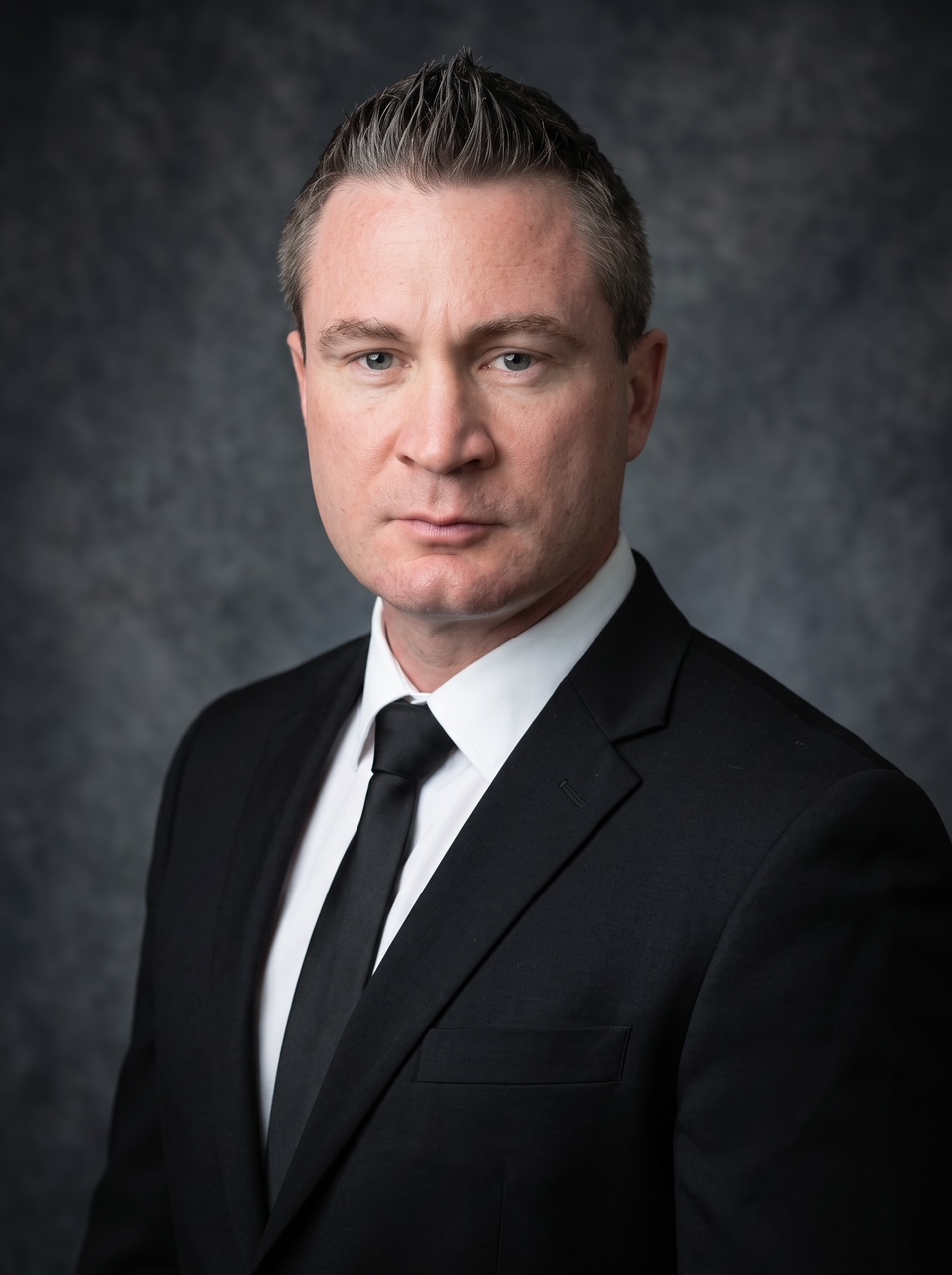
Michael Braun is the Founder and CEO of MSB Protection (California PPO License #122329), a luxury private security firm specialising in the protection of at-risk public figures, executives and ultra-high-net-worth individuals and families. The company provides executive protection, residential security and Enterprise Security Risk Management services for some of the most influential people in the world.
Braun began his career as a police officer in Bavaria, Germany, serving with the Unterstützungskommando (USK), a specialised operational unit of the Bavarian Police. Following his law enforcement career, he moved to California, where he spent twelve years with Gavin de Becker & Associates as a Security Operations Director and Senior Team Leader, implementing comprehensive security measures for ultra-high-net-worth clients.
Today, he applies his extensive experience in protective operations and security risk management through MSB Protection, helping clients identify, prioritise and mitigate security risks while maintaining the privacy, discretion and quality of life they expect.
Check out the latest sports & entertainment venue development data from across the globe in the exclusive, subscription-only, SVB Global Report here.