- October 24, 2025
- Posted by: SportsV
- Categories: Case Studies, Featured Articles, Features, Home News, Industry News, News, Press Releases
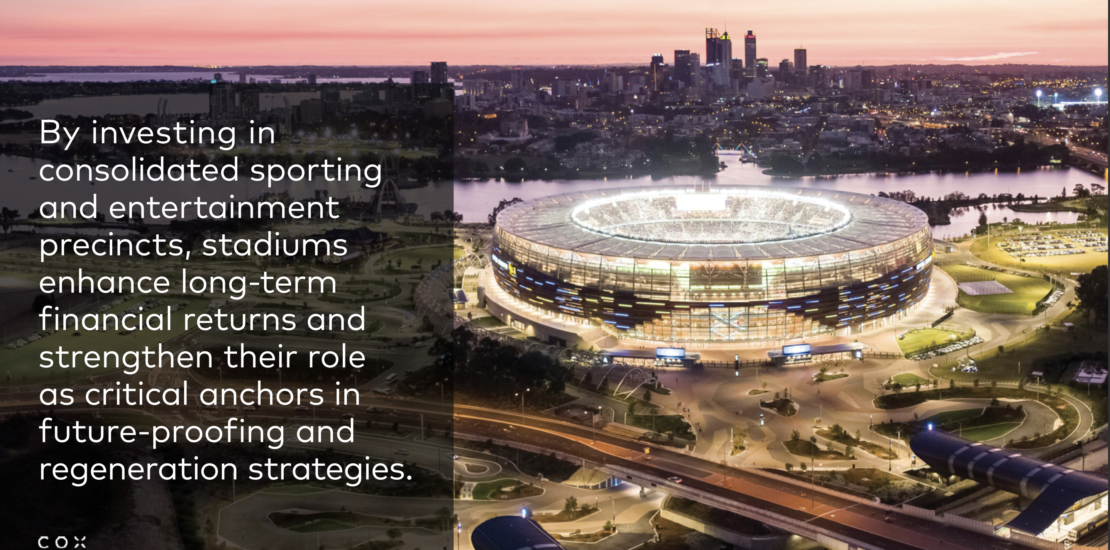
For decades, stadiums in Australia and around the world were designed as isolated, single-purpose destinations – vast car parks, long drives and limited use outside match days. But that model is rapidly shifting.
Today, city-based stadiums and integrated sporting precincts are redefining the role of major venues, becoming anchors for regeneration, tourism and urban life, as COX Architecture outlines in their “From Suburbs to Cities: Stadium Economics” research paper.
Drivers of Change
Modern urban stadiums offer far more than match-day spectacle. By embedding venues into city centres, they:
- Plug into culture and infrastructure – supporting local hospitality, tourism and transport.
- Diversify use and revenue – enabling events, concerts and community programming beyond sport.
- Revitalise underutilised areas – transforming districts into vibrant destinations.
- Boost resilience and long-term value – delivering shared public amenities that strengthen cities for decades.
Case Studies: Adelaide Oval, Optus Stadium, Queensland Country Bank Stadium
Three of Australia’s most successful examples – all designed by COX – highlight the transformative potential of this shift.
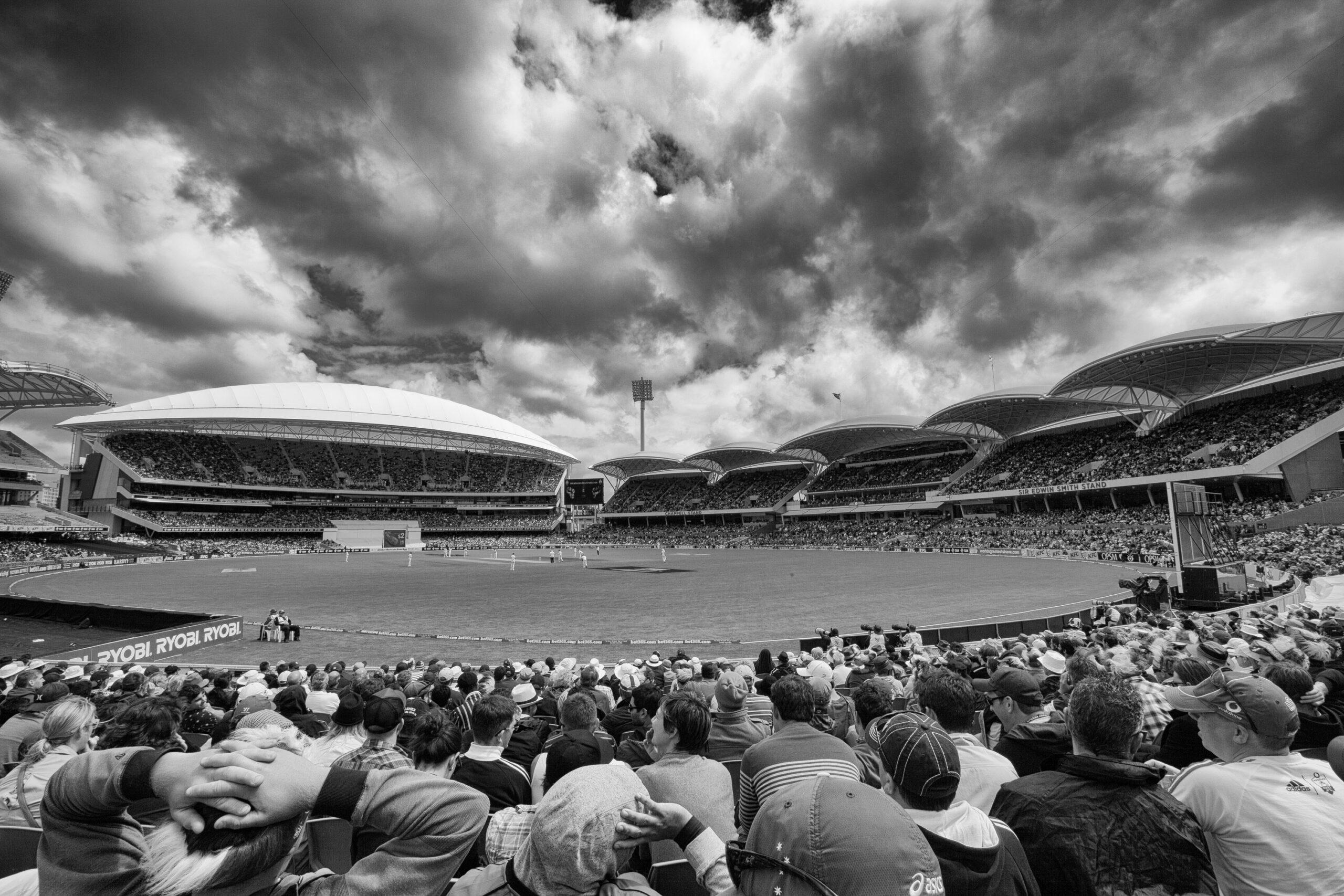
- Adelaide Oval: Since its redevelopment, the precinct has delivered significant uplift to the local economy. On AFL match days, entertainment and hospitality spending in Adelaide has surged by millions (for example reaching $176 million across 22 game days in 2022) benefitting local businesses and tourism operators.
- Optus Stadium, Perth: In 2023–24, just three major events accounted for more than a third of Western Australia’s total events-related economic impact, generating over $100 million. Its central riverfront setting ensures the benefits extend far beyond the stadium walls, activating the broader city precinct.
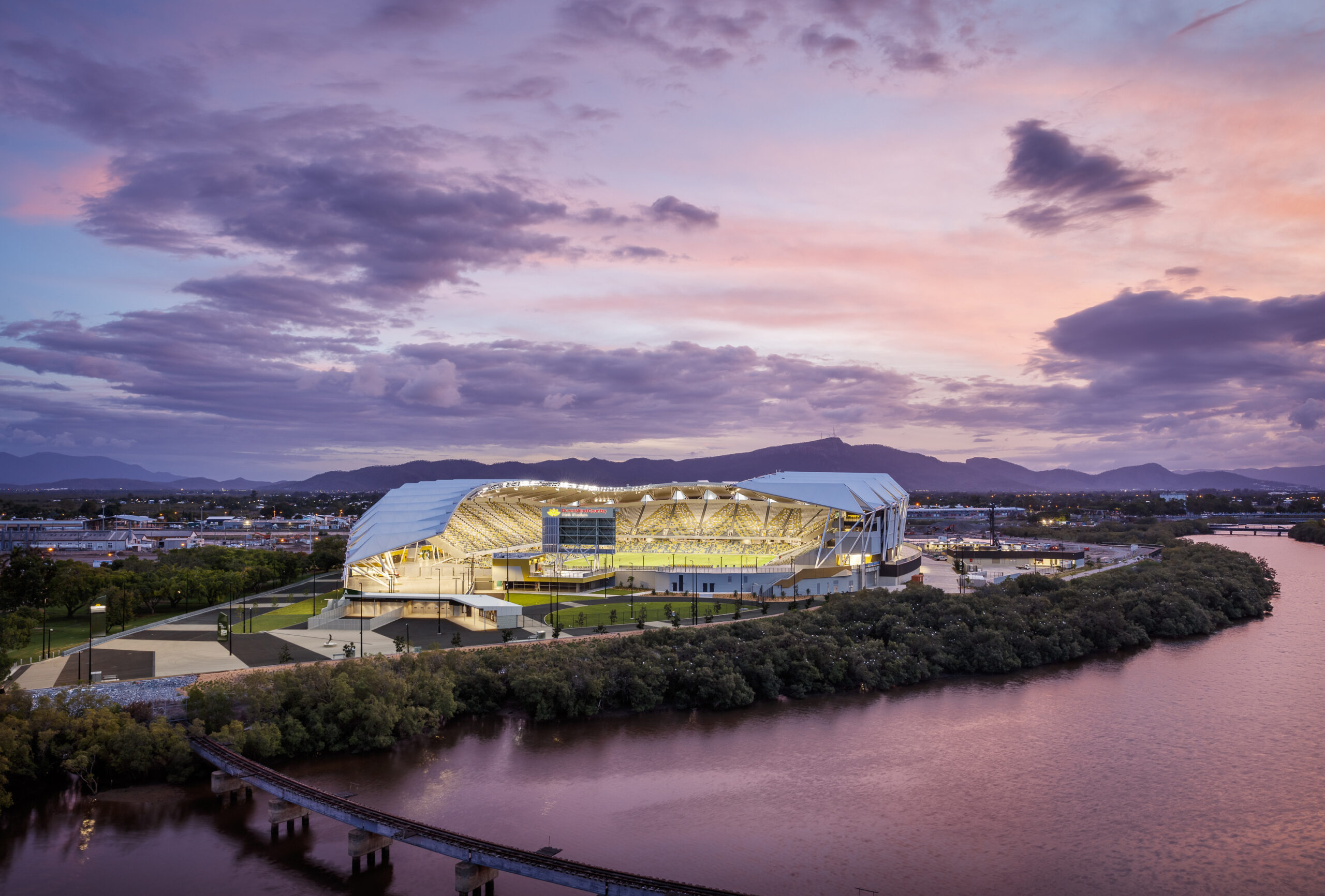
* Optus Stadium was designed with HASSELL and HKS Architects - Queensland Country Bank Stadium, Townsville: QCBS, recipient of the People’s Choice Award at the North Queensland Tourism and Events Awards, has helped Townsville attract major international sporting matches. The precinct masterplan enhances local food and beverage offerings and encourages greater walkability throughout the city.
* QCBS was designed with Counterpoint Architects
The 2026 SVB LIVE Conference & Exhibition – focused on elevating the live experience – is being hosted at Everton FC’s spectacular new Hill Dickinson Stadium on October 1st and 2nd, and will include a VIP tour of this stunning venue, as well as other Liverpool landmark venues.
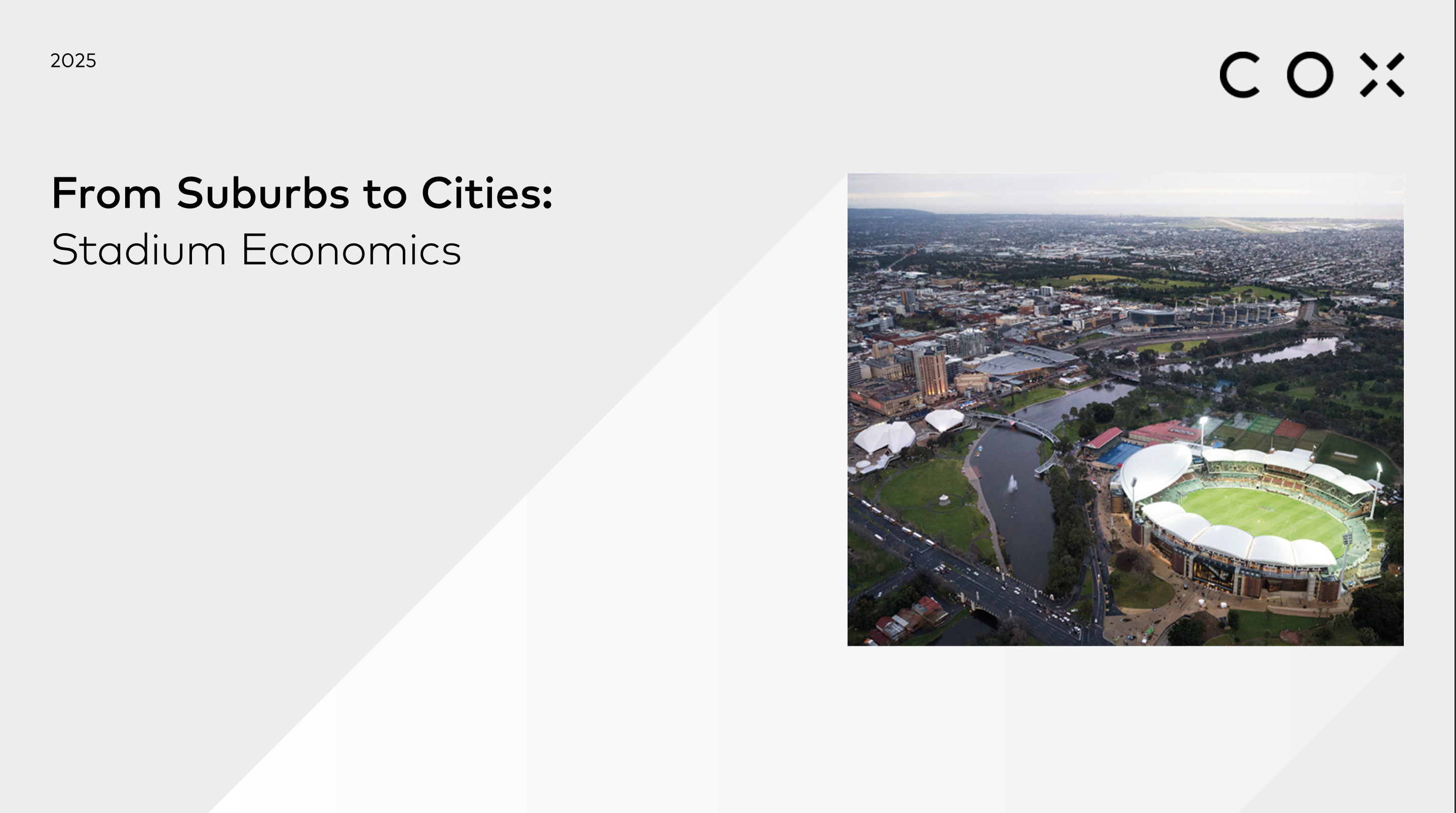
COX’s full research paper is available to view here: https://indd.adobe.com/view/2e7e28ec-b9db-4c17-95ca-6378c8e22799
COX Director, Stuart Harper, said:
“Investment in urban stadiums is more than a commitment to sport – it’s a catalyst for broader economic, social, and cultural transformation. By moving away from suburban isolation and into central, connected precincts, stadiums unlock year-round value for fans, cities and local business.”
Harper added:
“As sports organisations compete in an experience-driven economy, city-based venues offer more than just a game. For fans, it’s about spending less time in car parks and more time in lively districts. For cities, it’s about embedding sport and culture into the daily life of the community.”
Source & imagery, courtesy: www.coxarchitecture.com.au
SVB LIVE offers an unrivalled global community, with year-round opportunities to network, collaborate and explore new possibilities.

Check out the latest sports and entertainment venue development data from across the globe in the exclusive, subscription-only, SVB Global Report here.